Ymbrynes
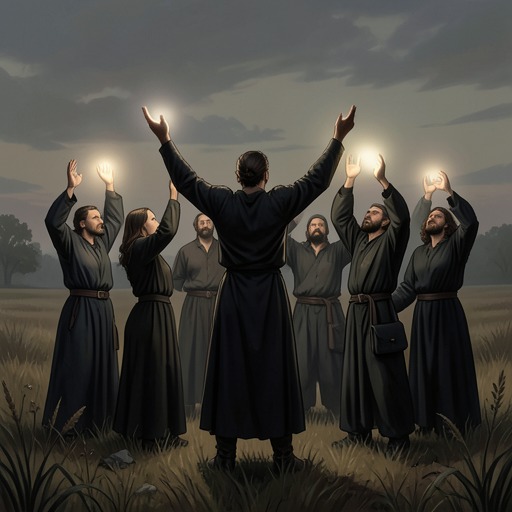
Miss Peregrine's Home of Peculiar ChildrenYmbrynes are female peculiars who can consciously manipulate time for themselves and others, taking bird form as part of that ability. They create temporal loops in which peculiar people can live indefinitely, but their guardianship is not simply shelter: it requires daily maintenance, protection of their wards, and acceptance of separation from the ongoing present. The loops preserve a life, yet bind it to a repeated day and leave their keepers vulnerable to those who seek control over time.
Identity and Abilities
Peculiar abilities vary widely, from skills shared by many, such as reading thoughts, to rarer gifts such as time manipulation. Miss Peregrine explains that time manipulators can take the form of birds; those who consciously manipulate time fields not only for themselves but for others are known as Ymbrynes. Their distinctive power therefore joins bodily transformation to the ability to shape the time available to a community.
A loop made by an Ymbryne allows peculiar people to live indefinitely within it. Miss Peregrine identifies her own refuge as September 3, 1940: the same day repeats, while the residents’ experience within it continues, leaving them with memories of the decades they have spent there. This arrangement distinguishes a loop’s recurring calendar date from the inhabitants’ accumulated experience; the day returns, but their lives within it do not simply begin again in their minds.
Guardianship and Loop Maintenance
Miss Peregrine describes the Ymbrynes’ responsibilities as extending well beyond making loops. They search the countryside for young peculiars in need, avoid those who would harm them, and ensure their wards are fed, clothed, hidden, and taught the lore of their people. The work is practical and cultural as well as supernatural: their wards’ safety depends on daily care and on being kept out of danger.
Maintaining the loop is another essential part of that guardianship. An Ymbryne must periodically cross its entryway to keep the ingress point pliable. Miss Peregrine compares the opening to a hole in fresh dough that may close if it is not periodically entered. Because a closed temporal system needs an ingress or egress through which its pressures can be vented, neglecting the entry point can make the loop unstable. The everyday act of crossing its threshold is thus part of the mechanism that keeps the refuge functioning.
Protection and Its Cost
The loops protect their residents from ordinary aging for as long as they remain within them, but they do not make their inhabitants immortal. Miss Peregrine says that peculiars remain mortal and that using loops exacts a substantial price: an irrevocable separation from the ongoing present. Long-term residents can only briefly enter that present before they begin to wither and die. The protection offered by a loop is therefore inseparable from a restriction on where its residents can live and how much of the outside world they can experience.
The repeated day can feel comforting as well as confining. While staying in Miss Peregrine’s loop, Jacob finds himself unusually serene and sleepy, as if the loop were both a mood enhancer and a sedative. He recognizes the contradiction: its beauty and ease can make a repeated life seem like heaven, even while the inability to leave safely makes it a kind of prison. The loop’s appeal may delay recognition of that constraint, turning refuge into a life that is difficult to choose freely.
Threats to the Ymbrynes
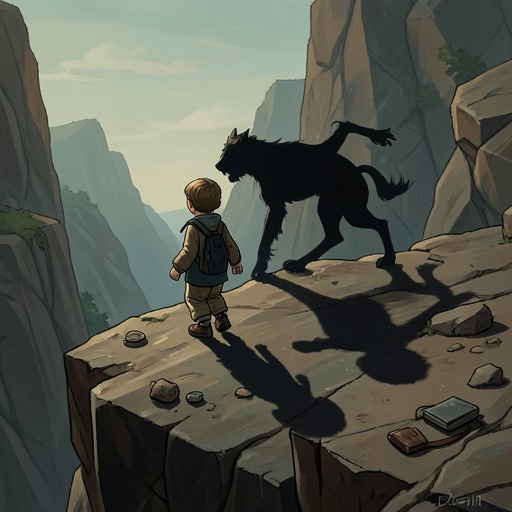
The guardians’ duty places them at risk when other peculiars target their ability to make and maintain loops. Miss Avocet reports that she escaped an attack but that Miss Bunting was abducted. She connects the incident to the abductions of Miss Wren and Miss Treecreeper from their loops a fortnight earlier, identifying a coordinated effort directed specifically at Ymbrynes. Miss Peregrine immediately understands the implication: her own group may be next, although Miss Avocet notes that they are better hidden than most.
The abductions threaten more than individual guardians. Since Ymbrynes are responsible for the safety of their wards and the stability of their loops, taking them endangers the communities and refuges entrusted to them. Their defining work—creating protected time and maintaining its boundaries—also makes them the targets of anyone seeking to exploit those boundaries.
Narrative Significance
Ymbryne guardianship organizes the novel’s tension between safety and freedom. A loop provides a home where peculiar children can remain protected from the dangers of the outside world, but its repeating date limits their access to historical time and the future. The danger is not merely that a loop might fail: remaining within it also entails a long-term division from the present.
That division becomes newly consequential when the children leave their damaged home. On September 4, after the day has stopped repeating, they notice that time is moving again and feel more vital and real. Their experience gives the Ymbrynes’ work a double meaning: they preserve life by sheltering it from time, but the end of the loop restores the movement and possibility that the shelter had withheld. Ymbrynes stand at the threshold between those conditions, both protectors of a community and keepers of the limits that shape its life.